
Creating Productive Layouts in Compact Spaces
How to maximize functionality when square footage is limited. Real techniques from spaces we’ve designed.
Read ArticleBudget-friendly doesn’t mean cheap. We break down materials, durability ratings, and what to look for when furnishing a coworking space on any budget.

When you’re setting up a coworking space, furniture is one of those decisions that haunts you for years. Buy cheap and you’re replacing chairs within 18 months. Overspend and you’ve locked capital into pieces that don’t match your actual needs. The trick isn’t finding expensive furniture — it’s finding the right materials and construction that hold up under real use.
We’ve furnished dozens of coworking spaces in Tsuen Wan and across Hong Kong. That means we’ve seen what works and what falls apart. Here’s what we actually look for.
Most people focus on fabric or finish. That’s backwards. The frame is what determines if a chair lasts three years or ten. You’re looking for solid wood (hardwood like oak or ash) or welded steel. Avoid anything with particle board as the primary structure — it compresses under weight and never recovers.
For office chairs, check the base. Cast aluminum or heavy-duty nylon reinforced bases last. Cheap plastic bases crack when someone leans back or adjusts the height repeatedly. We’ve seen it happen dozens of times. The gas cylinder (the part that controls height) should be rated for at least 100,000 cycles. That sounds like a lot, but in a busy coworking space with multiple users, it’s maybe three years of daily use.
Desks are similar. Solid wood or high-pressure laminate over hardwood substrate beats MDF every time. MDF absorbs moisture, swells, and delaminate within five years in humid climates like Hong Kong.

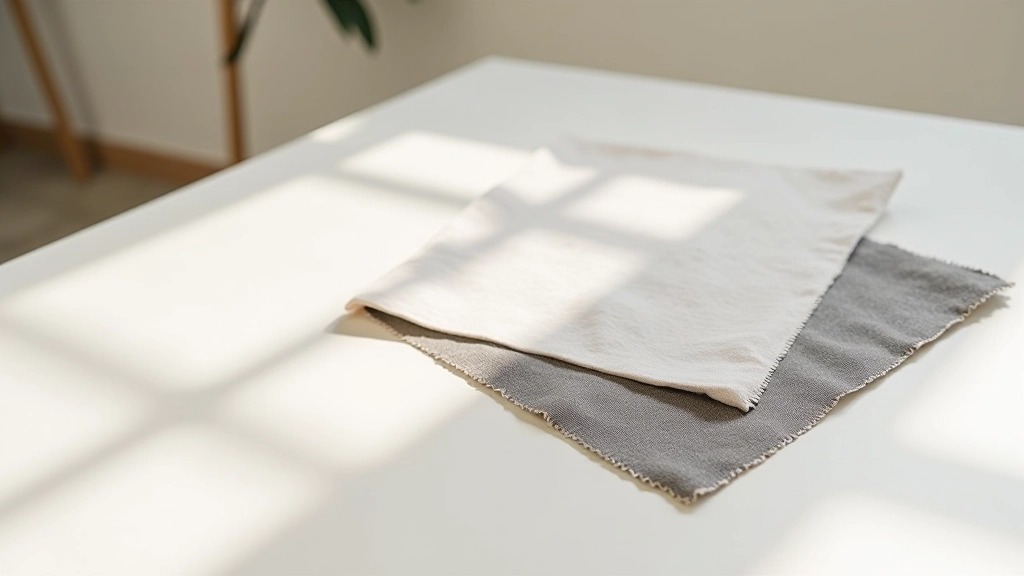
There’s a massive difference between furniture designed for one person’s home office and furniture designed for a shared workspace. Commercial-grade fabrics are rated by “double rubs” — essentially how many times you can rub the surface before it shows wear. Residential fabric is typically 15,000 to 30,000 double rubs. Commercial? 100,000 to 200,000 minimum.
It’s not just about toughness either. Commercial fabrics resist staining better, don’t pill as easily, and hold their color longer under fluorescent lighting. Yes, you’ll pay more upfront. A commercial-grade office chair runs 30-40% more than residential. But you’re getting 5-7 years instead of 2-3 years. The math works out.
For tables and desks, look for melamine or high-pressure laminate surfaces. These handle daily scratches, spills, and the inevitable marker marks. Solid wood looks beautiful but needs regular maintenance in a high-traffic space.
Here’s what nobody tells you about budget furniture: it’s not just about the price tag. When a chair breaks down, someone’s sitting on an unusable piece. Your coworking space looks neglected. Members notice. Then you’re replacing it anyway, but now you’ve also got the cost of downtime and member frustration.
We tracked replacement cycles in three similar coworking spaces over five years. The space that bought budget chairs at $200 each spent $8,000 replacing them four times. The space that invested in commercial-grade chairs at $600 each spent $3,000 initial investment plus maybe $600 in repairs and one replacement. That’s $3,600 total versus $8,000. And the good chairs still looked professional at year five.
Don’t confuse “expensive” with “durable” though. You’re not paying for brand prestige. You’re paying for materials and construction that can handle 40-50 hours of weekly use from different people with different body types and work habits.
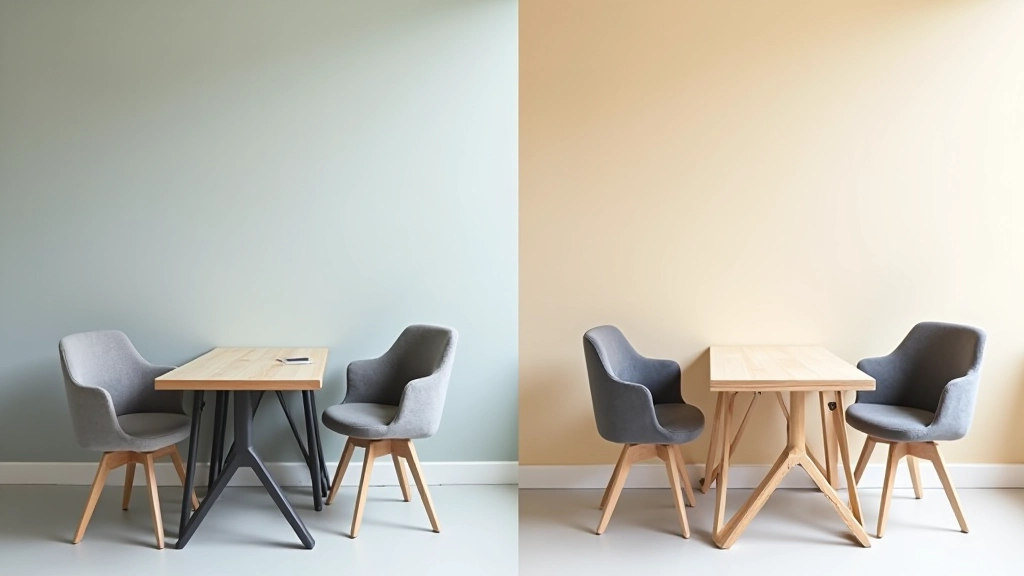

Task chairs with adjustable height, armrests, and lumbar support. Don’t skimp here — people spend 6-8 hours a day in these. A decent ergonomic chair from a commercial supplier (brands like Steelcase, Herman Miller, or locally, companies like Europlan) costs $500-$800 and lasts 7-10 years with minimal maintenance.
Tables that’re at least 1.2 meters long give people space to actually work. Melamine or laminate tops resist damage. Avoid glass — it scratches, shows fingerprints constantly, and breaks under pressure. Solid wood looks gorgeous in photos but needs monthly maintenance to stay presentable.
Storage and shelving get overlooked but matter hugely. Open shelving in metal or solid wood works. Cheap particleboard cabinets sag and look sad within months. Wire shelving is durable but industrial — fine if that matches your aesthetic.
Cable management matters too. Cheap clips and cable trays fall apart. Invest in commercial-grade solutions. It’s small, but visible cable mess makes everything look like it’s falling apart even when it’s not.
Budget matters, obviously. But the question isn’t “what’s the cheapest?” It’s “what gives me the best value across 5-7 years?” That changes everything. A $600 commercial chair that lasts eight years costs $75 per year. A $200 residential chair that lasts two years costs $100 per year. You’re actually saving money by buying better.
Look for solid frames, commercial-grade materials, and specifications that prove durability. Test pieces if you can — how does the chair feel? Does the base feel solid? Check product warranties and read reviews from actual coworking spaces or offices, not just home office users.
Your furniture is the foundation of your space’s first impression. Get it right and you’ve built something that lasts.
This article is provided for educational and informational purposes only. The recommendations and specifications discussed are based on general industry standards and our experience in commercial office design. Specific product durability, lifespan, and performance may vary based on manufacturer, usage patterns, maintenance, climate conditions, and individual circumstances. We recommend consulting with furniture suppliers, conducting product research, and obtaining professional quotes before making purchasing decisions for your specific space and budget. Prices, availability, and product specifications are subject to change and vary by location and supplier.